The risk register
ERP project risk register: turn concerns into actions
Create an ERP risk register with causes, consequences, owners, evidence, and response plans for scope, data, integrations, access, and launch.
Find delivery gaps, validate evidence, and plan a workable exit.
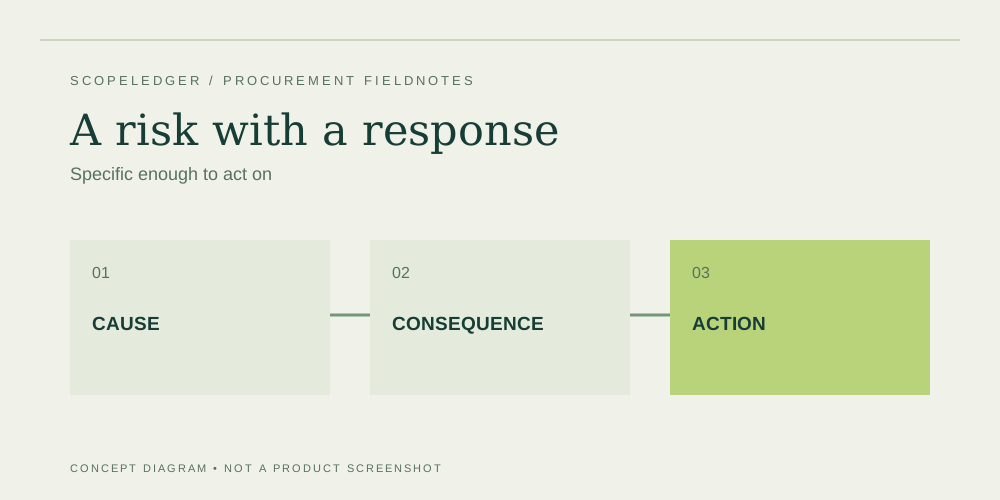
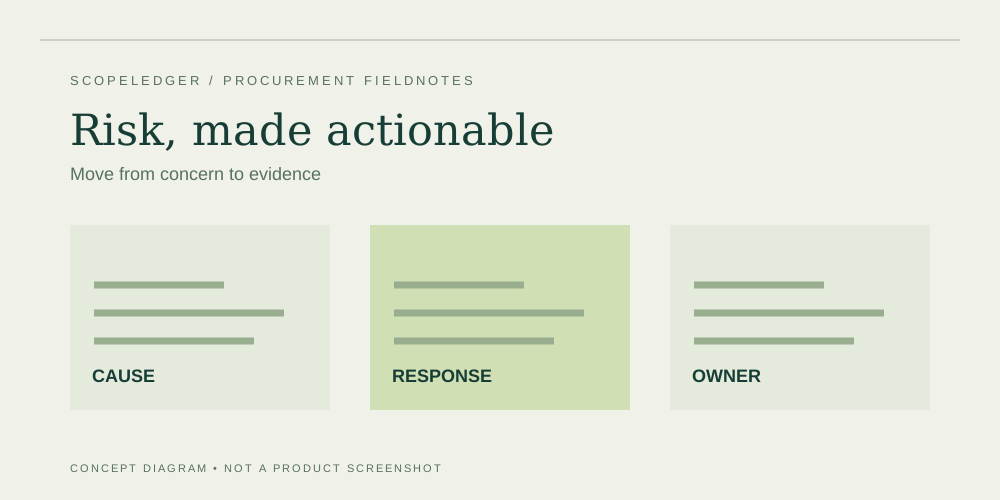
ERP risk is easier to manage when it is specific enough to act on. This register helps you turn broad concerns about delivery, security, suppliers, and lock-in into named responsibilities, tests, and decisions. Begin with the risk overview and connect each concern to a real dependency in your own plan rather than copying a generic list.
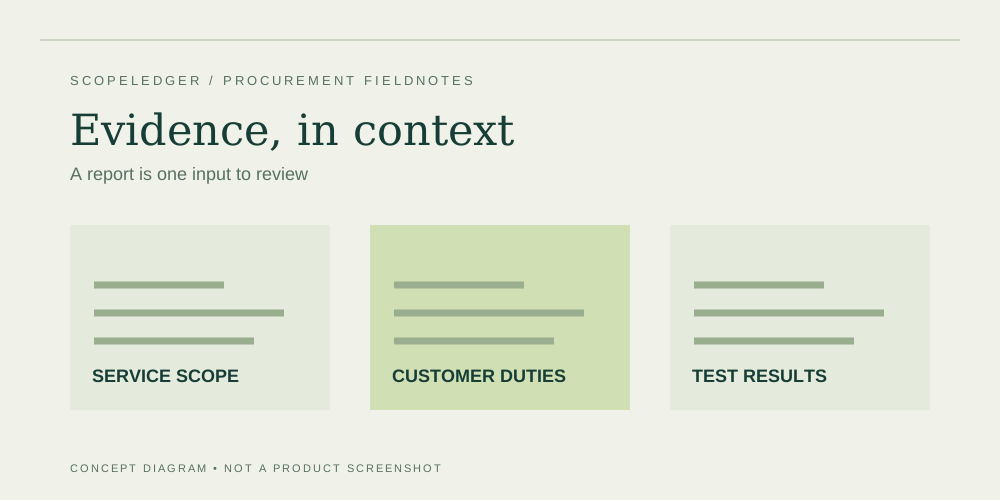
The change-control guide helps distinguish new scope from defects and unclear requirements. Security due diligence focuses on evidence that applies to the service and customer responsibilities. The exit guide tests whether exported records can actually be interpreted. Partner and launch-support guides examine the people, handoffs, and operating arrangements needed after the purchasing decision.
No checklist can establish that every risk has been eliminated. Keep unresolved issues visible, assign owners with authority to respond, and record the conditions of any acceptance. Use qualified advisers for security, privacy, contractual, and accounting judgments. Review the register at commercial commitment, major design gates, migration rehearsals, and launch. Transfer residual actions to operating owners when the project closes so that an administrative milestone does not erase an ongoing responsibility.
The risk register
Create an ERP risk register with causes, consequences, owners, evidence, and response plans for scope, data, integrations, access, and launch.
The risk register
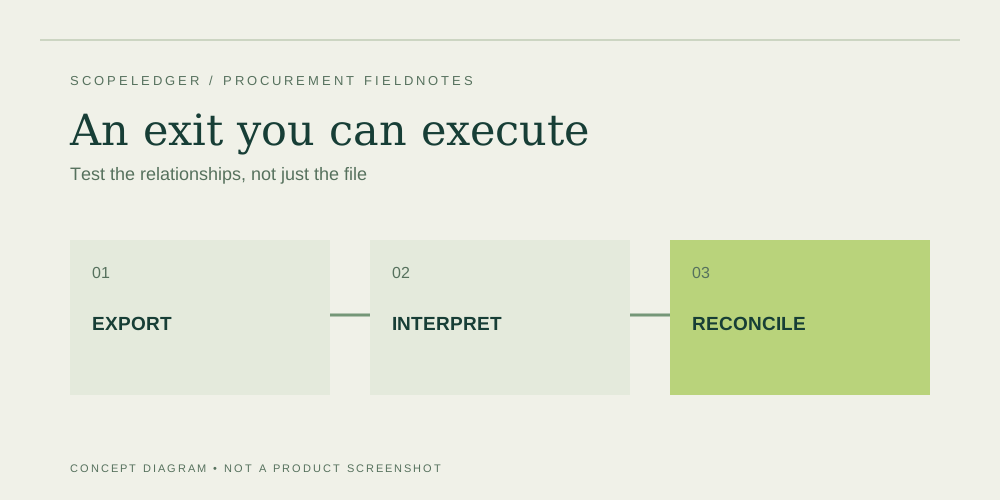
Plan ERP exit around usable records, attachments, reference keys, access windows, integration handover, and priced transition support.
The risk register
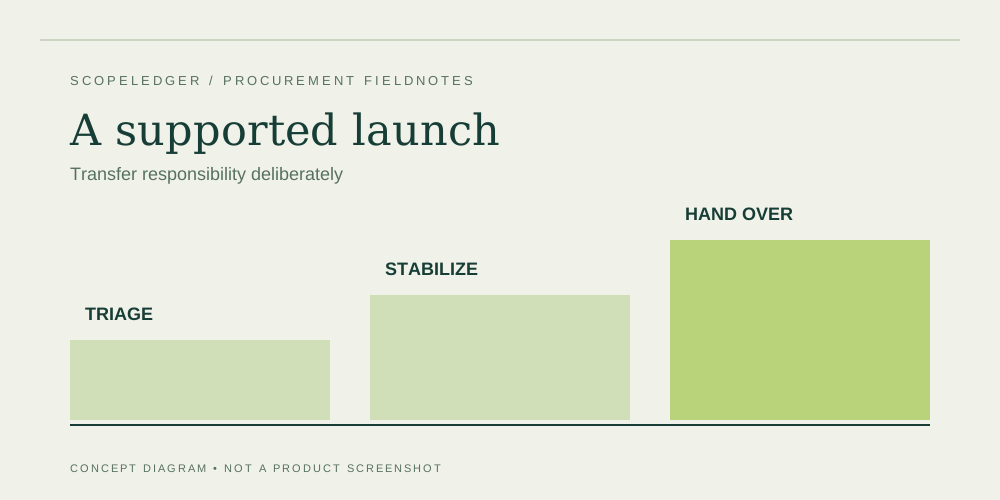
Define ERP launch support around triage, business reconciliation, access, defect handling, training gaps, and a clear handover to steady-state operations.
The risk register
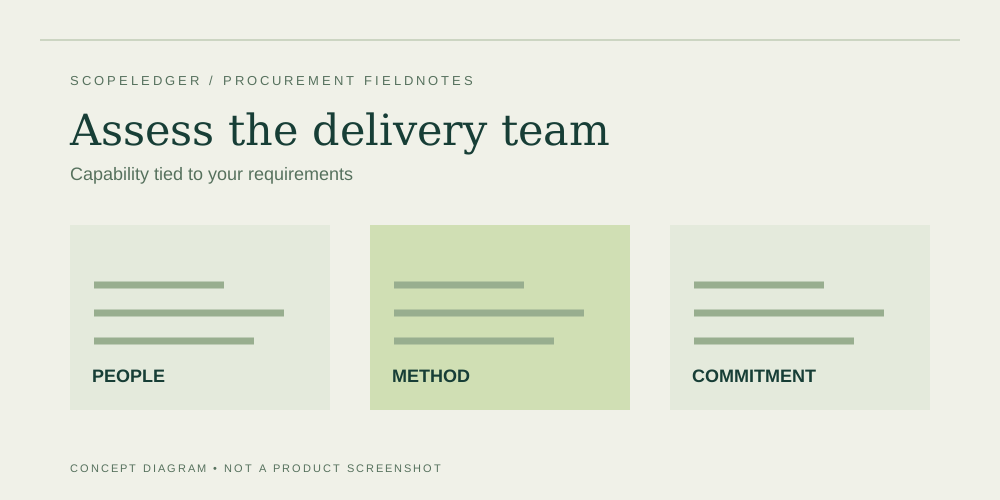
Evaluate an ERP partner using the proposed team, relevant workflow evidence, scope clarity, resource commitments, and support handover rather than broad claims.
The risk register
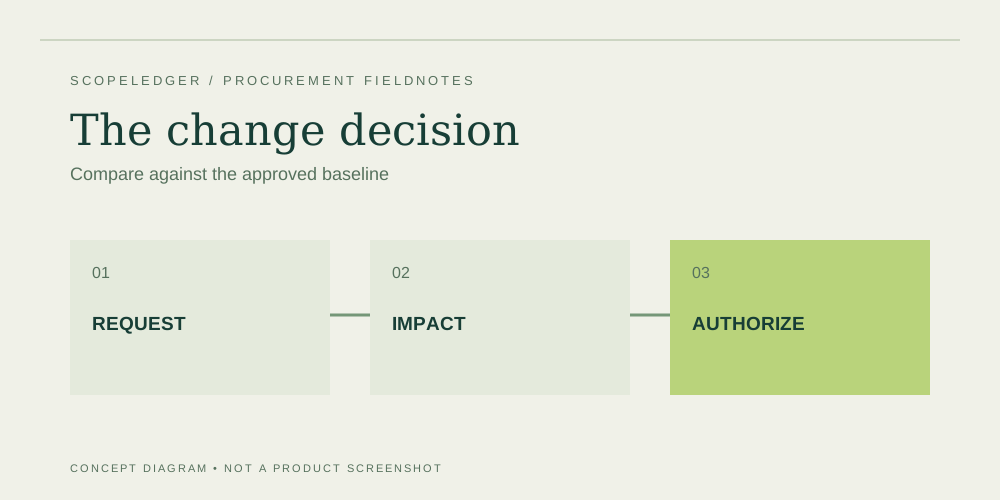
Use a clear ERP change process to distinguish defects, clarification, new requirements, and buyer dependencies before approving extra cost or delay.
The risk register
Review ERP access, data flows, recovery, logging, supplier responsibilities, and incident procedures with evidence that applies to the service you will buy.